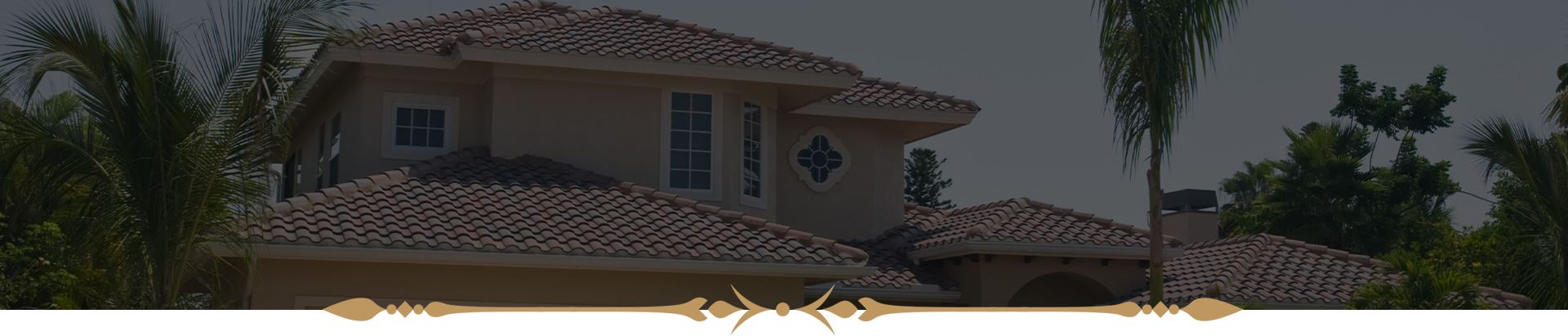
The morning after a storm, most Longwood homeowners do the same thing: walk the yard with their phone, take a few photos of whatever looks bad, and figure the insurance company will handle the rest. That instinct isn’t wrong, but it’s incomplete in ways that can cost real money. With over 30 years of combined roofing experience across Seminole and Orange Counties, our team at World Class Roofing FL has seen otherwise solid claims run into trouble because a homeowner didn’t know what Florida law actually requires. Not just what looks thorough.
The biggest surprise for most people: Florida doesn’t measure your filing deadline from the day you noticed the damage. Under Florida Statute 627.70132, for hurricanes, the date of loss is the date the storm made landfall. For tornadoes, windstorms, and severe rain events, it’s the date the event is verified by the National Oceanic and Atmospheric Administration. That distinction matters more than any photo tip you’ll find on a general roofing blog, and it’s just one of several Florida-specific rules that shape what your documentation file needs to contain.
Start With Safety, Then Document From the Ground
Stay off a storm-damaged roof. The structure may look intact from below while hiding soft spots, cracked decking, or compromised fasteners that won’t announce themselves until someone steps on them. Ground-level documentation covers more than most people expect: wide shots from each corner of the property give adjusters a full picture of wind uplift and missing shingles, and zoomed-in photos capture lifted flashing and displaced ridge caps clearly enough for a desk review.
Don’t stop at the exterior. Ceiling stains, watermarks on attic insulation, and daylight visible through the decking are interior conditions that connect the storm directly to the damage inside your home. Insurers require that connection, so both exterior and interior evidence belong in the same file. Before you take a single photo, turn on the timestamp and GPS location feature in your camera settings. Carriers weigh dated, location-tagged evidence more heavily when tying damage to a specific storm event, and it takes about ten seconds to enable.
Build One Central Storm File
Photos are the visible layer of documentation. The written record underneath them is what holds everything together when a claim changes adjusters, gets supplemented, or goes into dispute.
Your written log should include the exact date and time the storm occurred and the separate date you first discovered the damage. Florida treats these as two distinct facts, and your claim file should reflect both. Keep every receipt connected to emergency mitigation in the same place: tarping costs, plywood, temporary waterproofing materials. Reasonable costs to prevent further loss are typically reimbursable under most homeowner policies, but only when supported by documentation.
Record the claim number, the adjuster’s name, and the date and summary of every phone call or email with your insurer. Roof damage claims can span months, and personnel changes or file transfers are common. A running log of every contact keeps the record straight no matter who’s handling the file.
Pull Your Roof’s Permit History
This is the step almost no general documentation guide mentions, and it may be the most consequential one for Longwood homeowners.
Florida Senate Bill 4-D, codified at Florida Statute 553.844(5), allows a homeowner to repair only the damaged portion of a roof rather than replace the entire section, provided that roof was built, repaired, or replaced in compliance with the 2007 Florida Building Code, which took effect March 1, 2009. If your permit history confirms that standard, you may be protected from an insurer or contractor pushing a full replacement when a partial repair is all the damage warrants. If it doesn’t, the 25 percent replacement rule under Seminole County’s building requirements may apply instead, requiring a full replacement when more than 25 percent of total roof area is replaced within a 12-month period.
In Longwood, your roof’s permit record is held by the City of Longwood Building Division. For properties in unincorporated Seminole County, those records are maintained separately by the Seminole County Building Division. The two systems don’t cross-reference, so knowing which applies to your address matters before you start pulling records.
There’s a second reason to document the original roof’s material and color before anything gets replaced. Florida Statute 626.9744, Florida’s matching statute, requires insurers to make reasonable repairs to adjoining areas when new materials don’t match the existing roof in quality, color, or size. That right only holds up in a dispute if you can demonstrate what the original roof actually looked like at the time of loss. Photos of undamaged sections, material labels, or a contractor’s pre-repair description all serve that purpose.
Know Florida’s Filing Deadlines Before the Clock Runs
Florida Statute 627.70132 bars a new or reopened property insurance claim unless notice is given to the insurer within one year of the date of loss. A supplemental claim on the same event has an 18-month window from that same date. Missing either deadline can end the claim regardless of how thorough the documentation is.
The date-of-loss rule catches many homeowners off guard: for hurricanes, the clock starts when the storm made landfall; for tornadoes, windstorms, and severe rain events, it starts on the NOAA-verified date the event occurred. Not the day you noticed a stain on the ceiling. A slow leak that doesn’t appear inside your home until three months after a named storm still has a filing clock that started when the storm hit.
The City of Longwood’s Community Development Department runs a coordinated post-storm damage assessment after significant weather events, and the Building Official activates emergency permitting to help residents move quickly on repairs. Registering damage with that process and reporting to your insurer promptly (rather than waiting to see whether the leak gets worse) keeps your claim on solid footing from the start.
Walk the Roof With Your Adjuster, Not Around Them
When the adjuster arrives, bring the full file: photos with timestamps, the written log, permit records, and every receipt. Walk the roof together rather than letting the inspection happen without your input. You know where the damage is, how the storm moved through, and what the roof looked like beforehand. That context belongs in the inspection, not in a follow-up email.
Florida law entitles homeowners to a copy of the adjuster’s written findings. When you receive it, compare it line by line against a contractor’s written estimate. Differences in scope, material quantities, or measurements are common, and a discrepancy that looks small on paper can represent thousands of dollars in repair costs. A documented contractor estimate created before the adjuster visit gives you a concrete reference point for that comparison. Temporary mitigation costs (tarping in particular) are typically reimbursable when supported by receipts and before-and-after photos of the work.
Every Layer of Your File Has a Job
Photos matter, but they’re one layer of a file that also needs a written log, permit history, material records, and a clear understanding of when Florida’s filing clock actually starts. The homeowners who run into denials on technicalities are usually the ones who didn’t know those other layers existed.
If you’d like a licensed set of eyes on your roof before the adjuster arrives, World Class Roofing FL offers free estimates, 24/7 emergency tarping, and bilingual service in English and Spanish for homeowners across Longwood and the surrounding area. Reach us at (321) 414-4631.